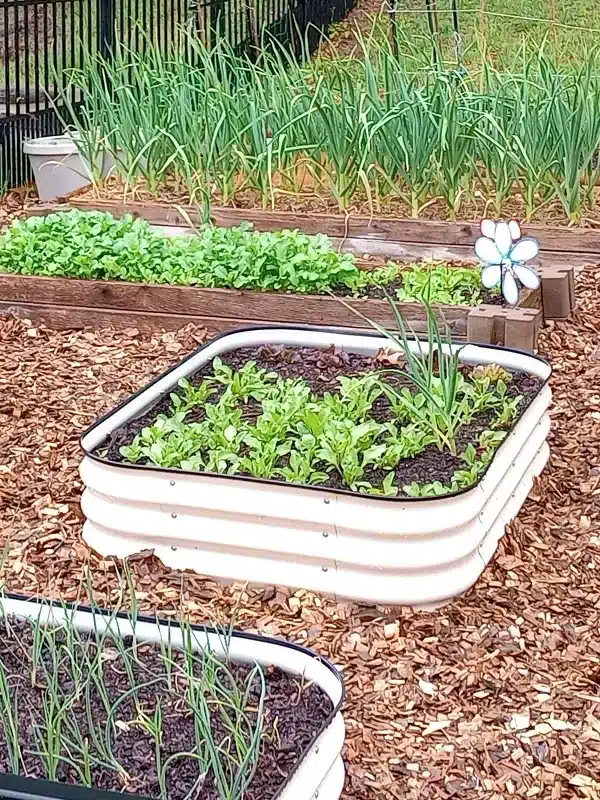
I still remember the smell of my Nonno’s backyard in Queens. There wasn’t a single blade of grass in sight. Instead, he had 600 square feet of pure, productive garden.
He grew everything, tomatoes, eggplants, peppers, and beans, all lined up like ducks in a row. He didn’t have a fancy app to use or a degree in horticulture; he just had a system.
He knew that a good garden starts long before you ever get your hands dirty in the spring. For him, spring garden prep was not a chore, it was just one part of his system.
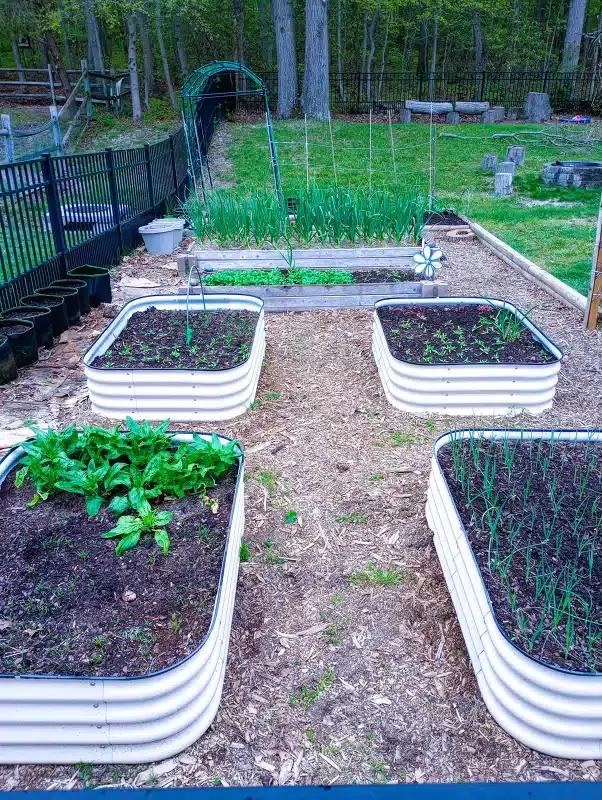
For years, I tried to emulate that without the plan. I’d head to the garden center, buy whatever looked green, and shove it in the ground. Result?
A tangled mess of zucchini taking over the walkway and tomatoes that stopped producing by July because they were too crowded.
I learned the hard way that a garden without a plan is just a high-maintenance hobby that leaves you with nothing for dinner.
Now, I use the same “Reduce the Overwhelm” approach for my garden that I do for my kitchen.
If you’re starting from scratch, it helps to focus on a few key ingredients first: What to Grow First in a Kitchen Garden.
Spring Garden Prep System
The secret to a successful spring garden isn’t a green thumb; it’s a blueprint. We’re going to treat your garden beds like a kitchen pantry. If you don’t use it, don’t grow it.
The Why and the How:
Grow What You Eat: Start by listing the vegetables you actually buy every week. If your family hates kale, don’t plant it just because it looks good on Pinterest.
Map the Sun: Spend a Saturday watching your yard. Most “fruiting” plants (tomatoes, peppers, eggplant) need 6-8 hours of direct sun.
Don’t fight nature; plant your greens in the shady spots and your sun-lovers where they can soak it up.
The “Starting Lineup” Strategy: Don’t try to grow 20 different things. Pick 5-7 “base” crops that you know how to use in the kitchen. Mastering a few high producers is better than failing at many.
If you’re not sure where to start, I break it down here: What to Grow First in a Kitchen Garden.
Pre-Season Prep: Don’t wait until planting day to realize you don’t have enough soil or your trellis is broken.
Get your tools sharp and your compost ready at the end of fall so you aren’t scrambling when the weather finally breaks.
Seed Starting vs. Buying Plants (Know Where You Are)
This is where a lot of people get tripped up.
You’ll see trays of seedlings, grow lights, and heat mats, and it can feel like you’re already behind. You’re not.
Buying Plants (Best for Beginners)
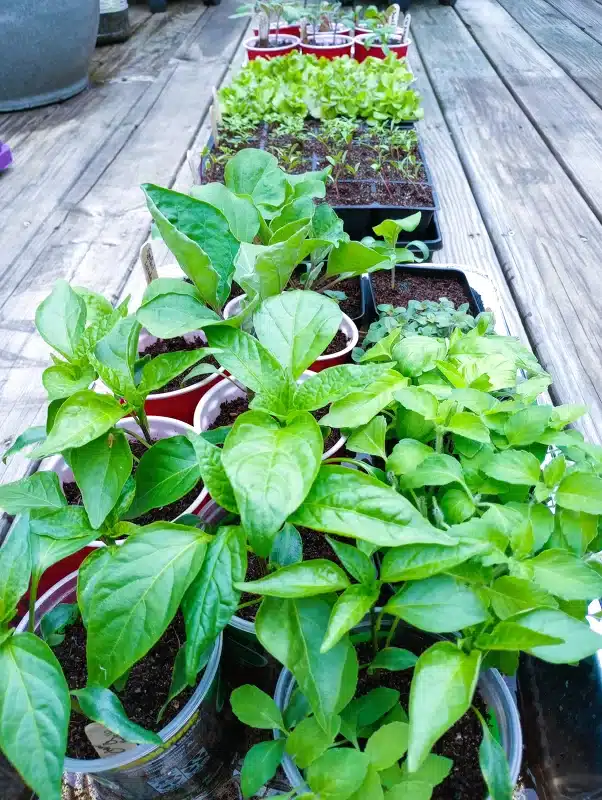
If you’re just getting started with spring garden prep, buy your plants from a local garden center.
- It saves time
- It removes guesswork
- It lets you focus on learning how to grow, not how to start seeds
Think of it like cooking. You don’t need to make everything from scratch to make a good meal.
Start with:
- Tomatoes
- Peppers
- Eggplants
- Squash
- Herbs
- Greens
Healthy starts from a garden center give you a strong head start.
Starting Seeds (For When You’re Ready)
After you have a handle on spring garden prep. Seed starting is a great next step (in year two or three), but it’s a different skill.
It requires:
- Timing
- Light (a sunny window or grow lights)
- Consistent watering
- Space indoors
- Hardening Plants
The benefit is control. You can grow specific varieties, save money over time, and expand what you grow.
Keep It Simple
You don’t have to choose one or the other.
Start with a mix:
- Buy your main plants
- Try starting one or two things from seed (especially root vegetables; carrots, beets, radishes)
That way you learn without adding pressure.
A beginner garden works best when you remove friction, not add more of it.
Vertical Gardening: Grow Up, Not Out
The Space-Saving System: Just like my Nonno’s garden in Queens, you don’t need a massive footprint to get a massive harvest.
By using trellises or cattle panels, you can grow vining crops like cucumbers, pole beans, and even small melons vertically.
Healthier Plants: Lifting your vegetables off the ground improves airflow, which is the best way to prevent the powdery mildew that often kills squash and cucumbers by mid-August.
Easier Harvesting: Instead of hunting through a hedge of leaves on the ground, your “Starting Lineup” of veggies is right at eye level.
It makes it much harder to miss that one zucchini that’s about to turn into a baseball bat.
Mimic Nature: Grow Plants Together
The “Base Recipe” for Pests: Think of companion planting as putting your ingredients where they can help each other.
Planting marigolds and nasturtiums near your tomatoes and peppers acts as a “trap crop,” drawing aphids and beetles away from your main meal.
Flavor Profiles in the Soil: There’s an old-school belief that planting basil at the base of your tomato plants actually improves the flavor of the fruit.
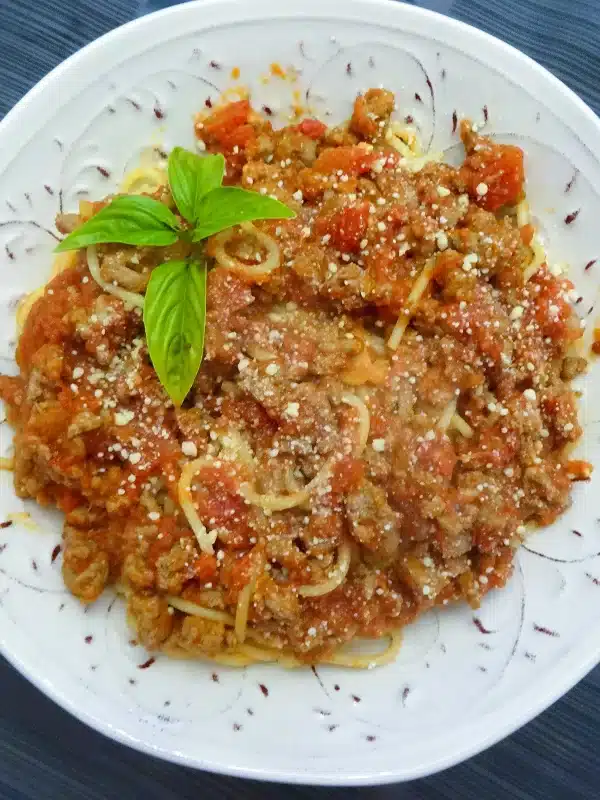
Whether it’s true or not, it’s a great system. When it’s time to make a fresh sauce, everything you need for the “base” is in one spot.
Natural Weed Control: Use the “Living Mulch” method. Plant low-growing greens like lettuce or spinach under taller plants like kale or tomatoes.
The greens shade the soil, keeping it cool and preventing weeds from ever getting a foothold. You can also use mulch (straw, leaves, grass) if your low-growing veggies have a tough time.
Soil Prep: Feeding the Foundation
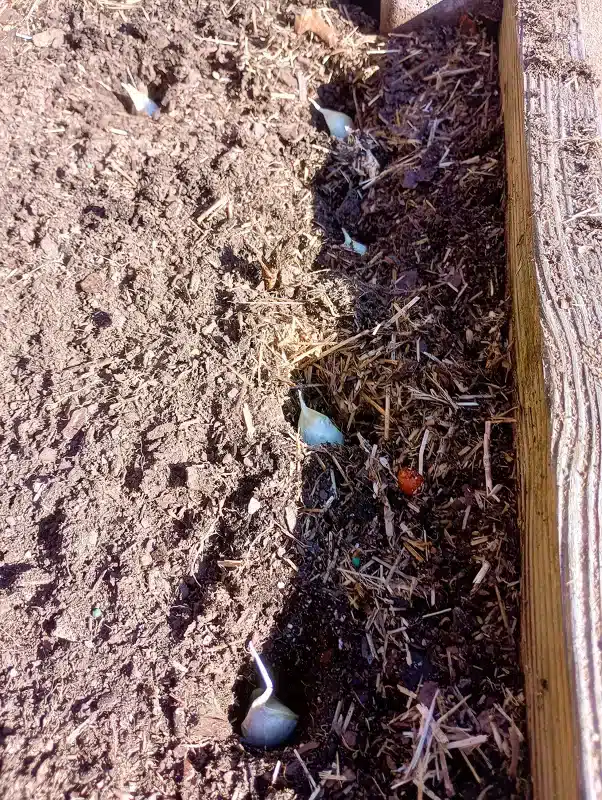
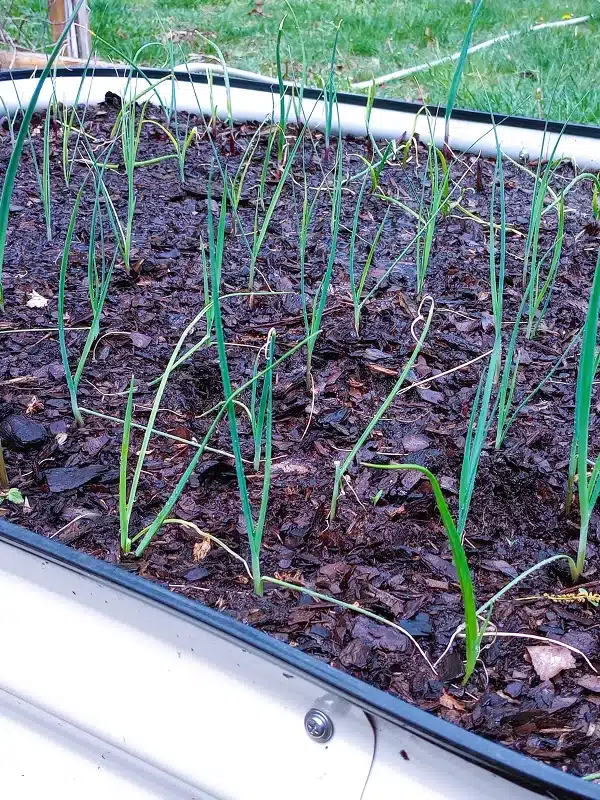
The 8-Month Investment: Just like I spend 8 months growing a single bulb of garlic, the soil needs time to prep. Again, turn to nature.
If you want to grow your own garlic, here’s how I do it: How to Grow Garlic. And here’s exactly when to get it in the ground: When to Plant Garlic.
Leaves fall from trees and cover the ground in winter. This allows the soil to recover and be protected from harsh winter conditions. Do the same for your garden. Always keep it covered or have something growing. Bare soil is not good.
The Compost “Shortcut”: In early spring, do not till, that just wakes up dormant weed seeds. Instead, layer 2-3 inches of fresh compost right on top of your beds.
It’s like a slow-release fuel for your plants that helps the soil retain moisture during those hot Maryland July days.
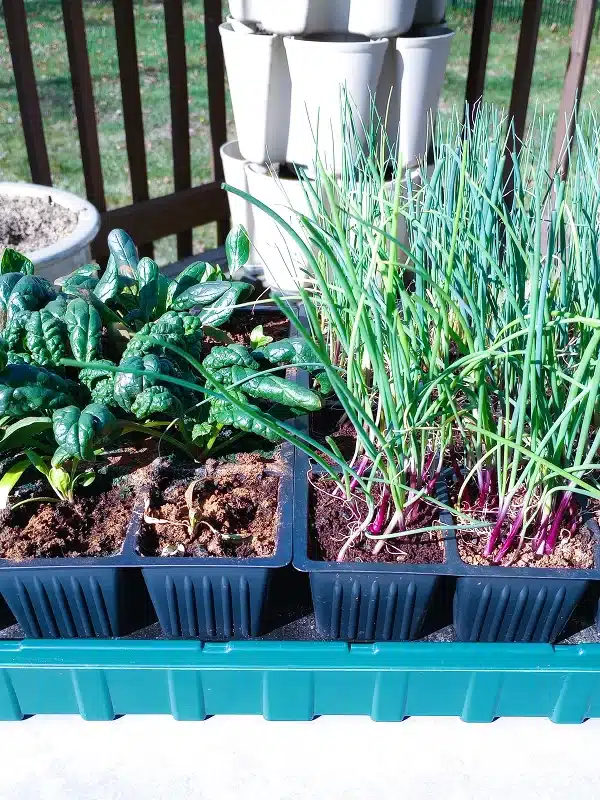
Overwintering Strategy: If you’re really looking to get ahead, try “overwintering” hardy greens like spinach or kale in the fall.
By protecting them through the winter, they’ll “wake up” and be ready for harvest up to 4 weeks earlier than anything you plant in the spring.
Spring Garden Prep Takeaway
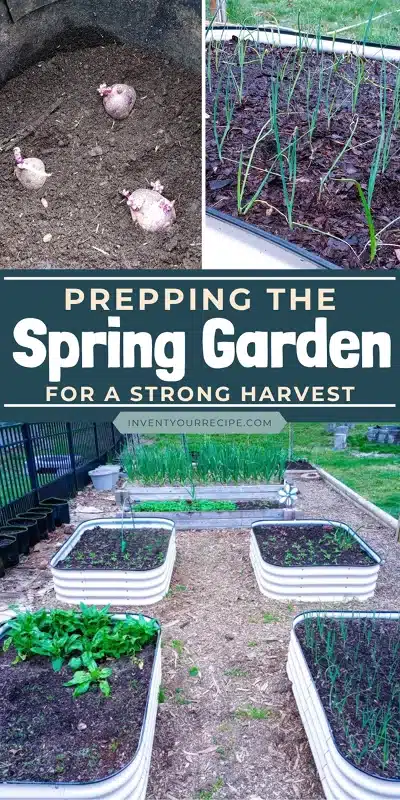
A good garden doesn’t start in spring; it starts with spring garden prep, and it starts with a plan. Not a complicated plan, just a clear one.
You don’t need to grow everything. You don’t need perfect timing. And you don’t need to do it the way anyone else does.
Start with what you actually cook. Build your “Starting Lineup.” Set your space up so it works with you, not against you.
If you do that, your garden stops feeling like a project and starts becoming part of your routine.
And that’s when it clicks.
You walk outside, pick what you need, and dinner gets easier.
That’s the goal.
A little work up front, a lot more use later.
The “I Have Nothing for Dinner” Solution!
Tired of staring at the pantry hoping a meal will appear? Stop following rigid recipes and start using the “Kitchen Logic” system to turn any random ingredients into a gourmet pasta in under 10 minutes.
Download Now