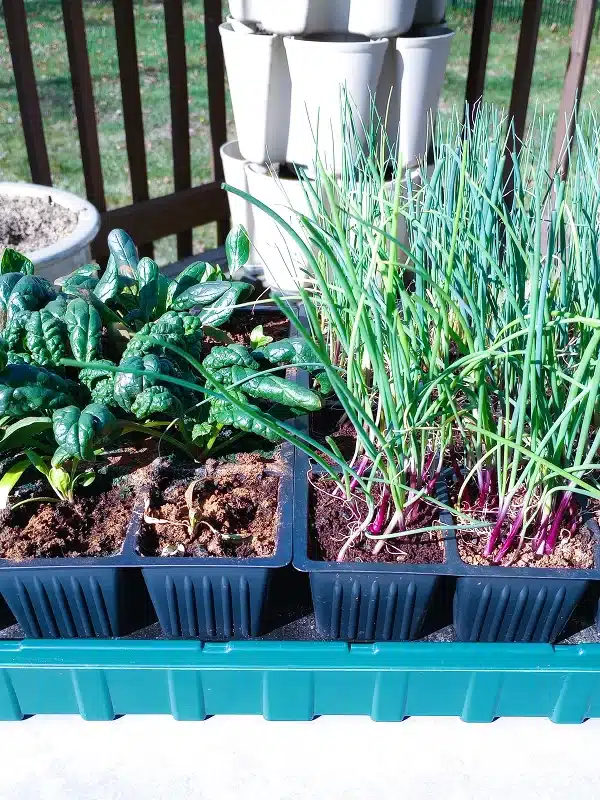
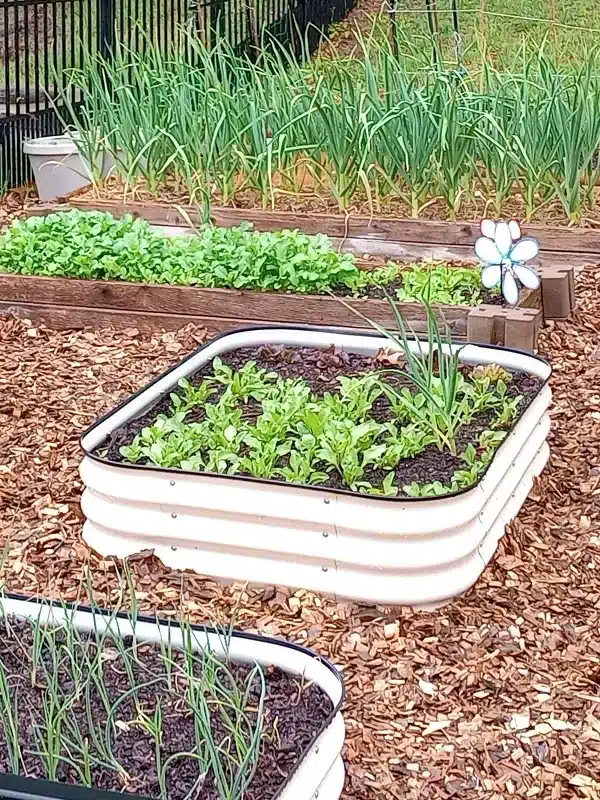
There’s a quiet window in the garden, late winter, right before everything wakes up, when something special happens. While most gardeners are just starting to think about seeds, I’m already harvesting fresh greens.
The secret? Learning how to overwinter greens.
This simple method has completely changed how I approach early spring gardening. With just a little planning in the fall, you can enjoy fresh spinach and lettuce weeks before your first spring planting even begins.
Each week, I share a simple recipe and a quick garden update (while in season) so you can make the most of what you have, whether it’s from the store or your own backyard. Subscribe Here ->

What Does It Mean to Overwinter Greens?
Overwintering greens means leaving cold-hardy vegetables like spinach and lettuce in the ground through winter, protecting them just enough to survive.
As temperatures drop and daylight fades, the plants slow down and go dormant. They’re not dead, they’re just waiting.
Then, as soon as the soil warms in early spring, they wake up and start growing again.
Why Overwinter Greens?
If you’re wondering whether it’s worth it, here’s what you get:
- Earlier harvests (up to 4 weeks sooner)
- Less spring work (plants are already established)
- Stronger plants with deeper roots
- A simple way to extend your growing season without extra equipment
For me, it’s one of the easiest wins in the garden.
How to Overwinter Greens (Step-by-Step)
1. Leave Healthy Plants in the Ground
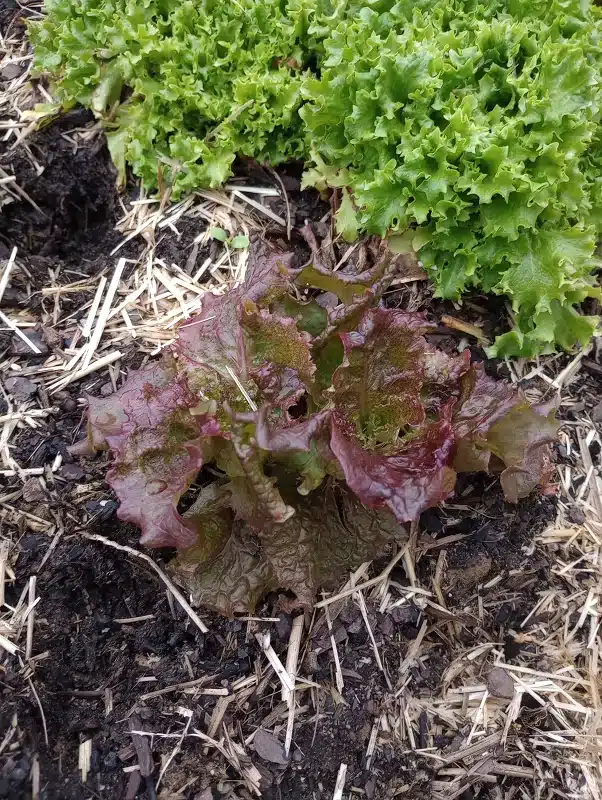
At the end of fall, choose your healthiest spinach and lettuce plants and leave them in place. Don’t pull everything out during cleanup.
2. Add Straw Mulch
Surround the plants with about 1–2 inches of straw mulch. This acts as insulation, protecting them from temperature swings.
3. Let Them Go Dormant
As winter sets in:
- Stop watering
- Stop fertilizing
Let nature take over. The plants will pause their growth and rest.
4. Wait Through Winter
This part takes patience. Depending on your climate, your garden may sit frozen or even snow-covered for weeks.
That’s okay.
5. Wake Them Up in Early Spring
As temperatures rise:
- Pull back some of the mulch
- Remove any dead or damaged leaves
- Add a light feeding of fertilizer
6. Harvest Early
Within a couple of weeks, you’ll have fresh greens ready to pick, well before most spring gardens get going.
Harvesting spinach in the early spring? Try this quick 10-minute Spinach and Tomatoes recipe.
Best Greens for Overwintering
Not all greens handle the cold equally. These are your best options:
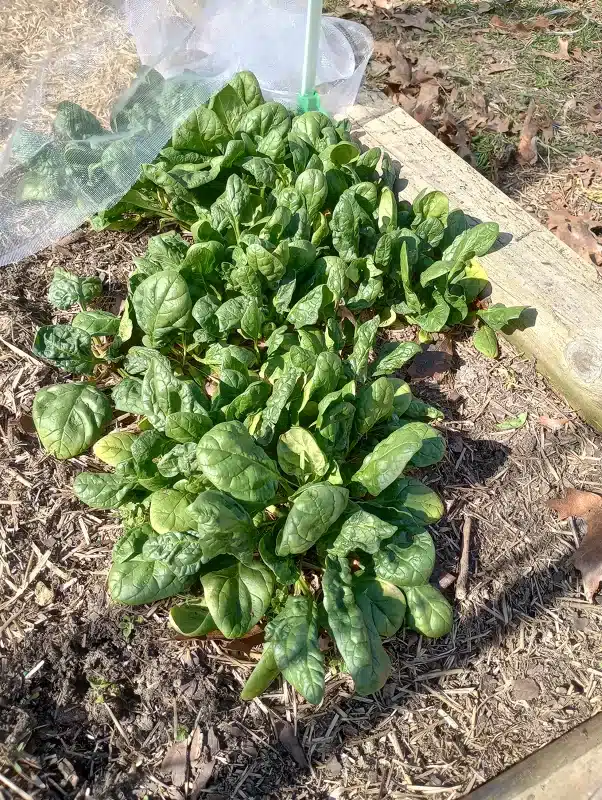
- Spinach (most reliable)
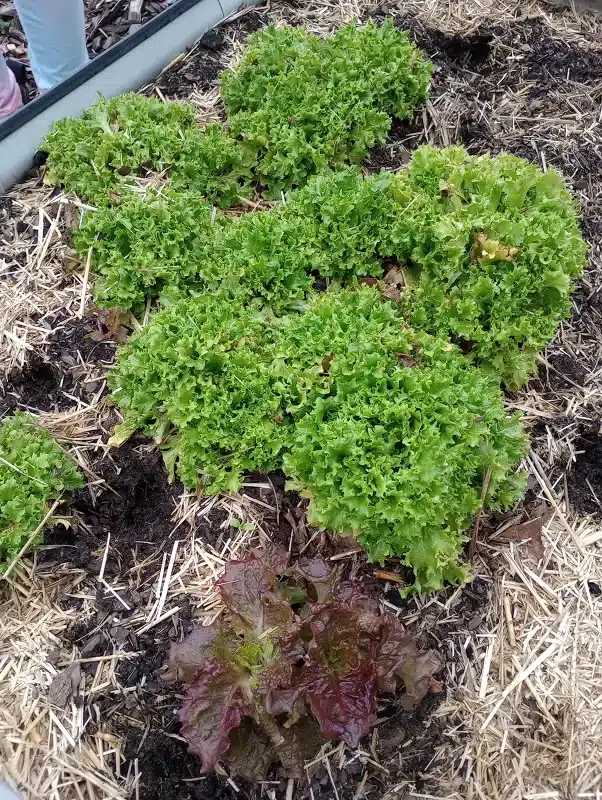
- Lettuce (choose cold-tolerant varieties)
- Kale (bonus option)
- Arugula
Spinach is my go-to. It handles cold like a champ and bounces back quickly in spring.
Climate Considerations
This method works best in milder climates (Zones 6–8).
Here in Maryland (Zone 7A), it works beautifully most years. But if you regularly get long stretches of temperatures in the teens or lower, survival rates may drop.
A layer of mulch helps—but extreme cold can still take its toll.
One Important Thing to Know: Early Bolting
There is one tradeoff.
Because these plants already went through a full growing cycle in the fall, they will bolt (go to seed) sooner in spring.
That means:
- Harvest early and often
- Enjoy them while they last
I see it as a fair trade for getting greens a month ahead of schedule.

How I Use Overwintered Greens in the Kitchen
This is where it all comes together.
When those first greens are ready, I keep things simple. After months without fresh garden produce, you don’t need complicated recipes.
Here are a few easy ways I use overwintered greens:
Simple Garden Salad
Fresh lettuce, olive oil, vinegar, salt, and maybe a few herbs. Clean, crisp, and exactly what you want after winter.
Sautéed Spinach with Tomatoes
Quickly cooked spinach in olive oil with tomatoes. A perfect side dish for just about anything.
Add to Egg Dishes
Throw spinach into scrambled eggs or omelets for an easy, high-protein breakfast.
Toss into Pasta
Wilt fresh greens into warm pasta with olive oil and parmesan.
Build a “Clean Out the Fridge” Bowl
Greens as the base, topped with whatever you have, beans, grains, leftover vegetables. Try this zucchini with beans and spinach recipe.
This is how I cook most of the time, simple ingredients, flexible recipes, and letting what’s fresh lead the way.
The “I Have Nothing for Dinner” Solution!
Tired of staring at the pantry hoping a meal will appear? Stop following rigid recipes and start using the “Kitchen Logic” system to turn any random ingredients into a gourmet pasta in under 10 minutes.
Download Now
Invent Your Recipe: How to Overwinter Greens Edition
Use what you have and make it your own:
Greens Options:
- Spinach
- Lettuce
- Arugula
- Kale
Add-Ins:
- Beans (chickpeas, white beans)
- Grains (rice, quinoa)
- Roasted vegetables
- Eggs or chicken
Flavor Boosters:
- Olive oil
- Lemon juice or vinegar
- Garlic
- Fresh herbs
Mix, match, and keep it simple.
Final Thoughts
Learning how to overwinter greens is one of those small shifts that makes a big difference.
It doesn’t require fancy equipment or extra work, just a little intention at the end of the season.
And when you’re out in the garden in early spring, harvesting fresh greens while everything else is still waking up…you’ll be glad you did it.
If you’ve been thinking about trying it, start this fall. Just leave a few plants in the ground, cover them with mulch, and let nature do the rest.

FREE INGREDIENT SWAP GUIDE
Over 60 ingredients and suggested replacements. Expand your pantry and flavors!
Get The Guide