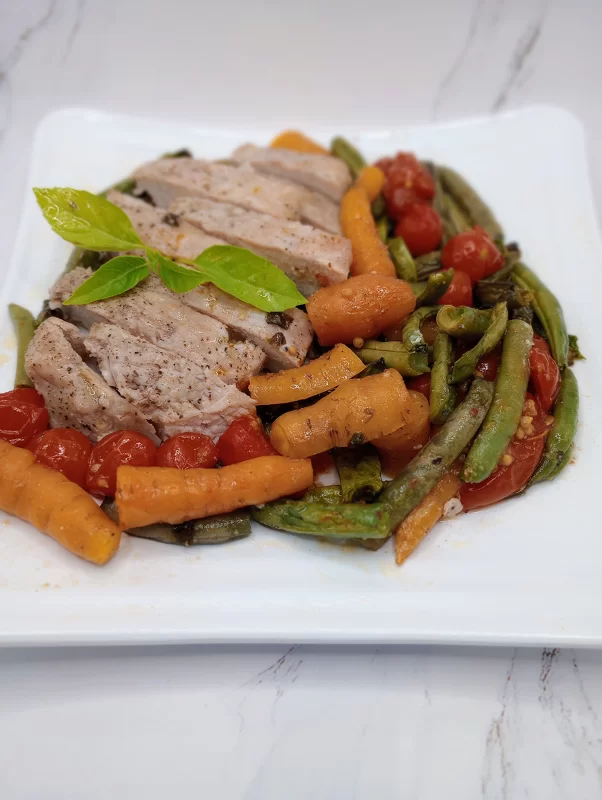
Cruciferous vegetable recipes are some of my favorites to make because they are healthy, hearty, and so easy to prepare.
Broccoli, cauliflower, cabbage, kale, and Brussels sprouts all fall into this family of vegetables, and each one brings its own unique flavor and texture to the table.
These are easy-to-make, healthy dish ideas that can turn a simple weeknight meal into something fresh and nourishing.

I especially love cruciferous vegetables because they are some of the easiest to grow your own. Plant them in spring or late summer, and before you know it, you’ll have a garden full of crisp greens and vibrant heads of broccoli and cauliflower.
The taste of homegrown cruciferous vegetables is unmatched, and these recipes are a perfect way to showcase all that garden-fresh flavor.
Table of Contents

Home Grown Cruciferous Vegetable Recipes
Let’s jump into this post of simple and healthy cruciferous vegetable recipes
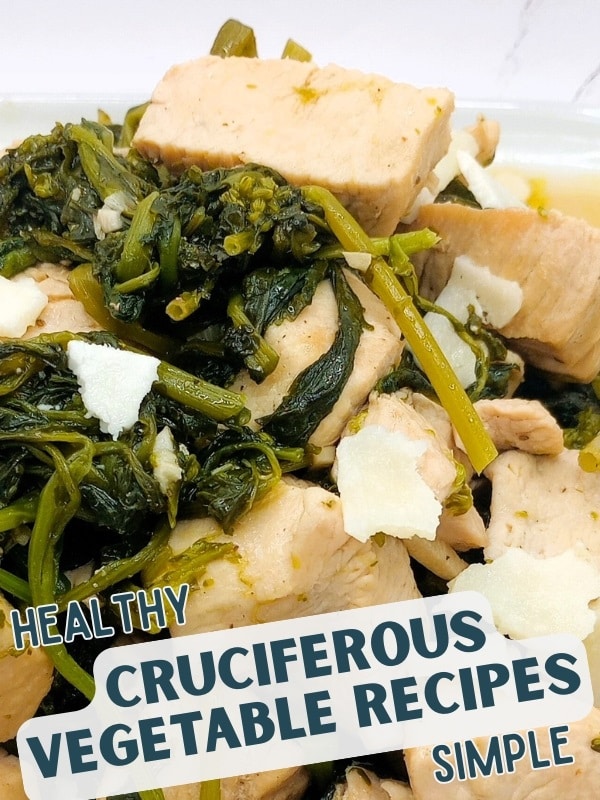


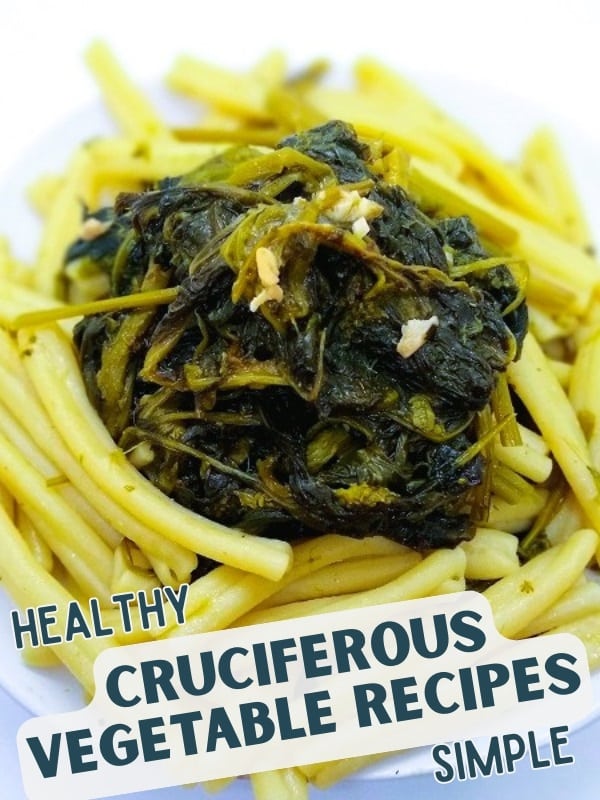


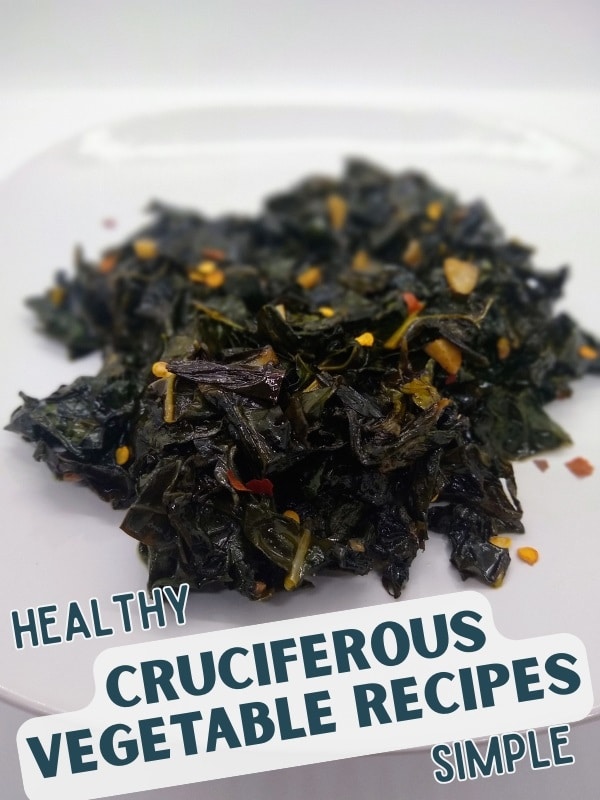






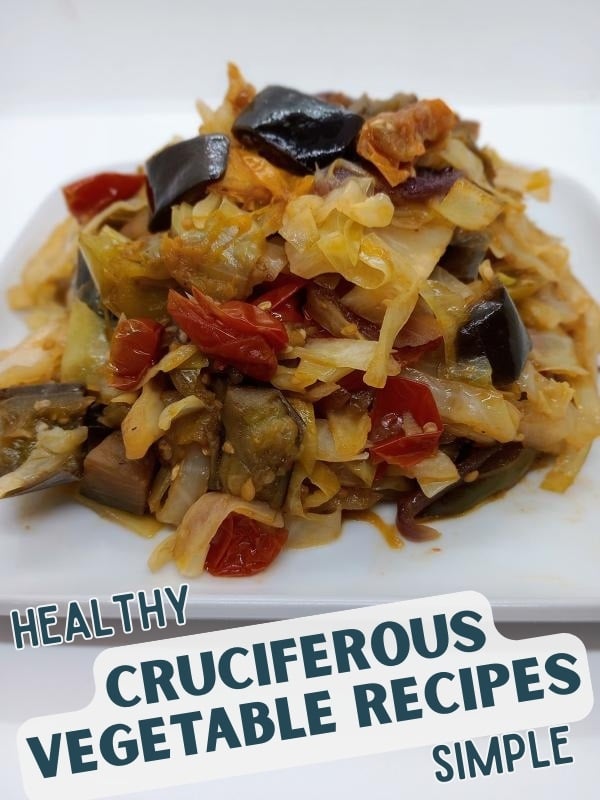

What are Cruciferous Vegetables?
Cruciferous vegetables are a family of hearty, nutrient-dense plants that are known for their slightly peppery flavor and versatility in the kitchen. They are packed with vitamins, minerals, and antioxidants, making them a great choice for anyone looking for healthy dish ideas that are still satisfying. Here are some of the most common cruciferous vegetables you can cook with or grow in your own garden:
- Broccoli – Mild and slightly sweet when cooked, broccoli is great for roasting, steaming, or tossing into pasta dishes.
- Cauliflower – This versatile veggie can be roasted, mashed, turned into rice, or even used as a pizza crust.
- Cabbage – Crunchy and hearty, cabbage is perfect for slaws, soups, and stir-fries.
- Brussels Sprouts – These mini cabbages are best when roasted until crispy or sautéed with garlic and olive oil.
- Kale – A leafy green that’s packed with nutrients; enjoy it raw in salads, sautéed, or baked into crispy chips.
- Arugula – Peppery and tender, arugula is delicious fresh in salads or lightly wilted over warm pasta.
- Bok Choy – A staple in many stir-fry recipes, bok choy is sweet, mild, and quick to cook.
- Radishes – Crisp and peppery, they add a bright crunch to salads or can be roasted for a milder flavor.
- Turnips & Rutabaga – Mild root vegetables that can be roasted, mashed, or added to stews.
These vegetables all thrive in cooler weather, which makes them ideal candidates if you want to grow your own food in spring or fall.

Health Benefits of Cruciferous Vegetables
One of the best reasons to include cruciferous vegetables in your meals is the incredible health boost they provide. These vegetables are loaded with vitamins, minerals, and antioxidants that support overall wellness.
- Rich in Vitamins and Minerals – Cruciferous vegetables are excellent sources of vitamin C, vitamin K, folate, and potassium, all of which are essential for a healthy immune system, strong bones, and energy production.
- High in Fiber – The fiber in cruciferous vegetables supports healthy digestion and helps you feel full longer, making them a great choice for balanced meals.
- Packed with Antioxidants – Compounds like sulforaphane and indole-3-carbinol found in these vegetables may help protect cells from damage and support long-term health.
- Naturally Low in Calories – You can enjoy generous portions without worrying about extra calories, making them perfect for easy-to-make, healthy dish ideas.
- Supports Heart Health – Their nutrient profile helps maintain healthy cholesterol levels and overall cardiovascular health.
Adding more cruciferous vegetables to your diet is a simple way to eat well and feel good—especially if you grow your own and get to enjoy them fresh from the garden.

Possible Side Effects of Cruciferous Vegetables
While cruciferous vegetables are packed with health benefits, it’s good to know that eating them in large amounts can have a few side effects for some people.
- Digestive Discomfort – Cruciferous vegetables are high in fiber, which is great for digestion, but eating too much at once can cause gas or bloating. Cooking them instead of eating them raw can make them easier to digest.
- Thyroid Function – Very large amounts of raw cruciferous vegetables (like kale or Brussels sprouts) may interfere with thyroid function in people with thyroid issues. Lightly steaming or cooking them usually reduces this effect.
- Medication Interactions – Vitamin K-rich cruciferous vegetables (like kale, cabbage, and broccoli) can affect blood-thinning medications such as warfarin. If you take these medications, talk with your doctor before making big changes to your diet.
For most people, these side effects aren’t a problem—especially when cruciferous vegetables are enjoyed in moderation as part of a balanced diet.

Tips for Cooking Cruciferous Vegetable Recipes
Getting the best flavor out of cruciferous vegetables is all about how you prepare them. Here are some of my favorite tips to make them taste their best:
- Roast for Sweetness – Roasting broccoli, cauliflower, or Brussels sprouts brings out their natural sweetness and gives them a crispy, caramelized edge. A little olive oil, salt, and pepper go a long way.
- Don’t Overcook – Overcooking can make cruciferous vegetables mushy and bring out a strong sulfur smell. Lightly steam or sauté until just tender for the best flavor.
- Brighten with Acid – A splash of lemon juice or a drizzle of vinegar can balance the earthy flavors and make the dish feel fresh.
- Use Garlic and Spices – Garlic, red pepper flakes, paprika, or cumin add layers of flavor and keep these veggies exciting.
- Pair with Healthy Fats – Olive oil, avocado oil, or even a sprinkle of nuts or seeds help your body absorb the fat-soluble vitamins in cruciferous vegetables.
Cooking them well is the key to turning these nutrient-packed veggies into dishes your whole family will love.
Whether you are roasting cauliflower, sautéing kale, or tossing together a bright cabbage slaw, these cruciferous vegetable recipes are sure to inspire you to eat more of these nutrient-packed vegetables.
They are simple, healthy dish ideas that make eating well both easy and delicious. And if you grow your own, these recipes will give you plenty of tasty ways to enjoy your harvest all season long.
I hope you feel inspired to invent your versions of these cruciferous vegetable recipes. Please comment below and let us know what you’ve added to your recipe starting lineup.