Grow your own flavor; it doesn’t have to come from complicated recipes.
It often starts with a handful of fresh ingredients—herbs cut from a pot on the porch, greens picked the same day, or something simple you’ve grown yourself.
This section is about growing ingredients you’ll actually use. Not a full garden plan, not a long list of crops—just practical ways to grow, harvest, and use herbs, greens, and everyday ingredients in your cooking.
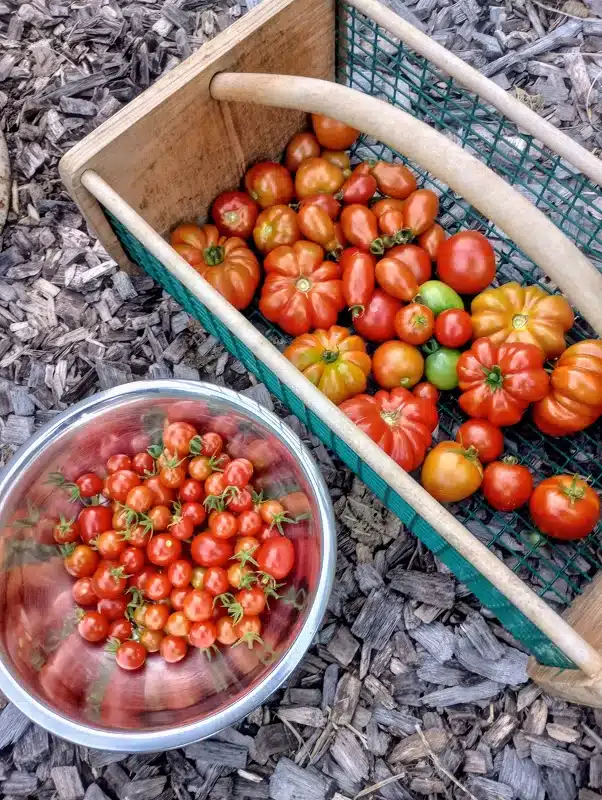
🌿 Start Here
If you’re just getting started, begin with a few reliable options:
- Easy herbs like basil, parsley, and cilantro
- Fast-growing greens like kale and spinach
- One or two ingredients you already cook with regularly
👉 If you’re new to this, read: What to Grow First in a Kitchen Garden
Grow Your Own Flavor
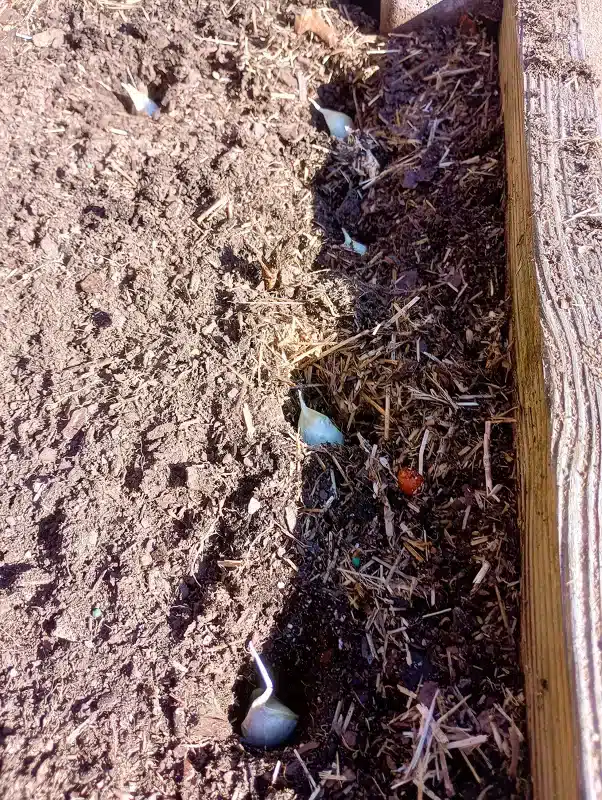
When to Plant Garlic
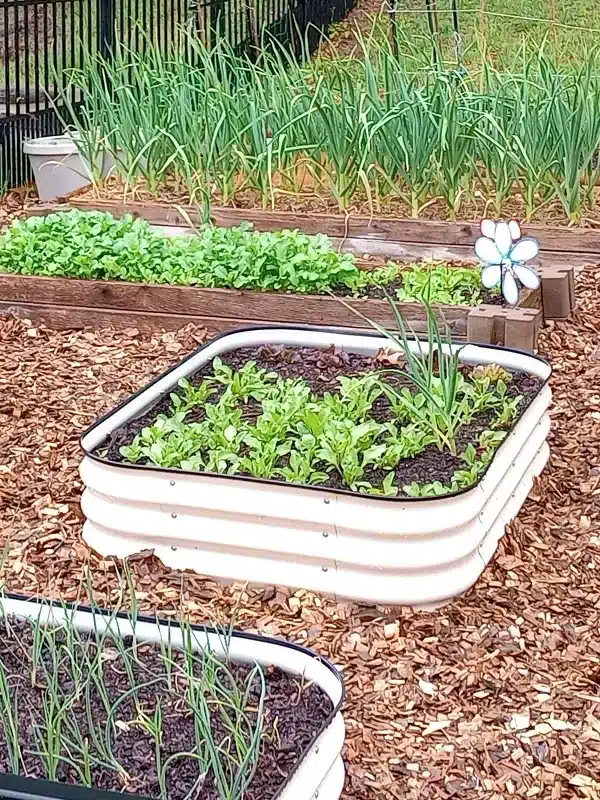
What to Grow First in a Kitchen Garden
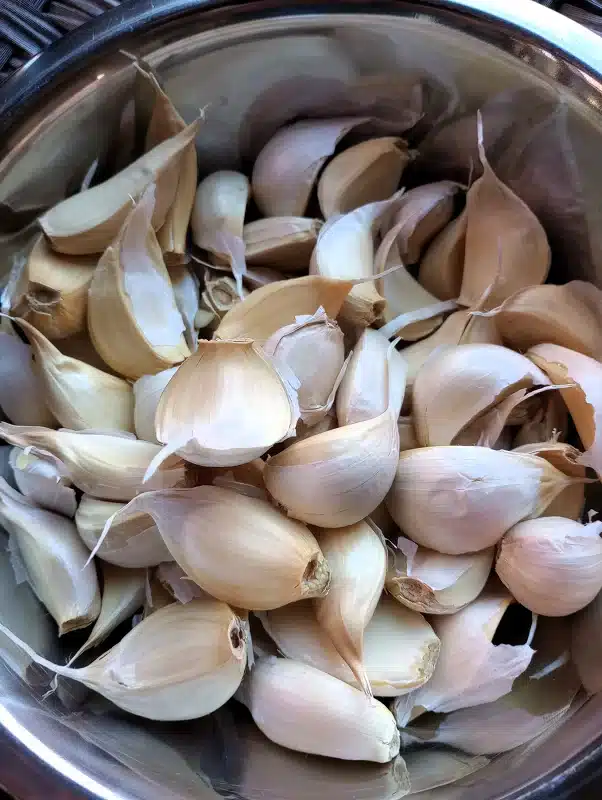
How to Grow Garlic
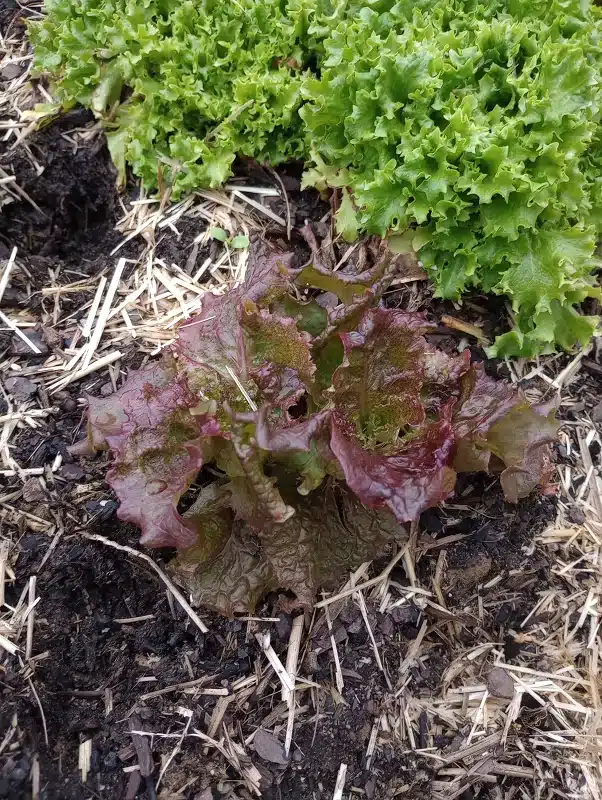
How to Overwinter Greens
🌱 Herbs: Small Plants, Big Flavor
Herbs are one of the easiest ways to add fresh flavor to your cooking.
They don’t take up much space, they grow well in containers, and you can harvest them as needed.
Easy Herbs to Start With:
- Basil
- Parsley
- Cilantro
- Thyme
How to Grow Herbs
- Use well-draining soil
- Give them consistent sunlight (most prefer full sun)
- Water regularly, but don’t overdo it
How to Harvest Herbs
- Cut regularly to encourage new growth
- Avoid taking more than one-third of the plant at a time
How to Dry Herbs
Drying herbs is a simple way to extend your harvest.
- Tie small bundles together and hang them upside down
- Keep them in a dry, well-ventilated space
- Once dry, store in airtight containers
🥬 Greens: Grow Once, Harvest Often
Greens are one of the most practical things you can grow.
They grow quickly, don’t require much space, and you can harvest them multiple times.
Easy Greens to Grow:
- Kale
- Spinach
- Lettuce
Why Greens Work So Well
- Fast-growing
- Continuous harvest
- Easy to use in everyday meals
How to Harvest Greens
- Pick outer leaves first
- Let the center continue growing
- Harvest regularly to keep plants producing
👉 Learn more: How to Harvest Greens Without Killing the Plant (future/internal link)
🍅 Everyday Ingredients
Beyond herbs and greens, you can grow ingredients that show up in your meals all the time.
Start small:
- Garlic
- Tomatoes
- Green onions
These take a little more time, but they’re worth it because they become part of your cooking routine.
👉 Learn more:
🌿 How to Build a Simple Kitchen Garden
You don’t need to grow everything at once. Just focus on: grow your own flavor that you like to cook and eat!
Start with:
- 1–2 herbs
- 1–2 greens
- One additional ingredient (like garlic or tomatoes)
This keeps things manageable and gives you a steady supply of ingredients you’ll actually use.
🥘 From Garden to Kitchen
This is where everything comes together.
Fresh ingredients don’t need complicated recipes.
Start simple:
- Add herbs to pasta, rice, or beans
- Sauté greens with olive oil and garlic
- Build meals around what you have
Try it here:
🔄 Seasonal Rhythm (Keep It Simple)
Your garden doesn’t need a strict schedule.
Think in simple seasons:
- Spring: greens and herbs
- Summer: tomatoes and fresh herbs
- Fall: plant garlic and cool-weather crops
- Winter: use stored and dried ingredients
👉 See more: Seasonal To-Dos
Grow Your Own Flavor: The Bottom Line
Growing your own flavor isn’t about producing everything you eat.
It’s about adding a few fresh ingredients that make your meals better and easier.
Start small, grow what you use, and let your garden build over time.
🌱 Invent Your Garden (Keep It Flexible)
There’s no single way to build a kitchen garden.
Adjust based on what works for you:
- Use containers if space is limited
- Swap herbs based on what you cook most
- Focus on a few ingredients instead of many
The goal is simple: grow ingredients that fit into your everyday cooking.

FREE INGREDIENT SWAP GUIDE
Over 60 ingredients and suggested replacements. Expand your pantry and flavors!
Get The Guide